
Table of Contents
- What Makes a Red Wine Worth Buying Under $50
- Regional Character: Where Australia's Best Value Red Wines Come From
- Shiraz vs. Cabernet Sauvignon: Choosing Your Red Wine
- Best Food Pairings for Australian Cabernet and Other Red Varietals
- Tips for Buying Wine Online: Securing Quality and Authenticity
- How to Host a Wine Tasting at Home with Affordable Premium Bottles
- Cellaring Potential and Long-Term Value in Sub-$50 Red Wines
- Frequently Asked Questions
Last Updated: September 23, 2026
Best Red Wines Under $50: Quality Picks for Every Palate
When you're shopping for red wines under $50, you're entering a sweet spot where quality meets affordability. Exceptional reds exist at every price point, and knowing where to look makes all the difference.
This guide breaks down how to identify genuinely good bottles, where regional character delivers the best value, and how to build a tasting experience at home without breaking the bank.
What Makes a Red Wine Worth Buying Under $50
The best red wines under $50 share specific characteristics: clear varietal expression, balanced structure, and the ability to improve with time in the cellar.
Look for wines that show terroir, the distinct flavour imprint of where grapes grew. A Barossa Valley Shiraz tastes different from a Margaret River Shiraz because soil, climate, and winemaking traditions shape the final product.
Tannins matter: firm, fine-grained tannins age gracefully; harsh tannins never soften. Assess mouthfeel, does it feel smooth or astringent? The finish should linger without burning.
Alcohol between 13.5% and 14.5% is typical for quality reds in this price range. Higher alcohol signals riper fruit and bolder flavours but can mask subtlety; lower alcohol wines tend toward elegance.
Regional Character: Where Australia's Best Value Red Wines Come From
Australian wine regions each have a distinctive identity shaped by climate, soil, and winemaking philosophy. Understanding these differences helps you predict whether a wine will suit your taste before you open the bottle.
Barossa Valley and McLaren Vale Shiraz
Barossa Valley's warm climate and old vines produce Shiraz with ripe fruit, generous body, and spice-driven complexity, dark cherry, blackberry, and peppery notes with full-bodied structure.
McLaren Vale, slightly cooler, produces Shiraz with more elegance and acidity, finer tannins, and savoury notes, leather, liquorice, dried herbs. Both regions deliver exceptional value in the sub-$50 range.
Little River Winery's Shiraz 2022 exemplifies this value proposition, capturing full-bodied character. Old vines produce concentrated fruit suitable for both immediate drinking and cellaring.
Margaret River Cabernet Sauvignon
Margaret River's cooler climate produces Cabernet Sauvignon with structure and finesse, cassis, dark plum, subtle oak. Tannins are firmer than Barossa Shiraz but refined, gripping without overwhelming.
Margaret River Cabernet under $50 has excellent cellaring potential, higher acidity, restrained fruit, age-worthy profile. If you're thinking five to ten years ahead, this is where to invest.
Shiraz vs. Cabernet Sauvignon: Choosing Your Red Wine
Choose Shiraz for warmer-climate riper fruit; Cabernet for cooler-climate structure and complexity.
Shiraz shows bolder spice, pepper, dark fruit, immediately approachable. Cabernet is restrained in youth with cassis and herbal notes that emerge with age. Shiraz tannins are rounder; Cabernet's are more angular and age-worthy.
Shiraz is ready to enjoy within a year or two of release. Cabernet rewards patience, five years in the cellar transforms tight, austere youth into complexity.
For grilled meats and hearty stews, Shiraz's ripe fruit and spice work beautifully. For lamb and aged beef, Cabernet's structure aligns better.
Best Food Pairings for Australian Cabernet and Other Red Varietals
Pairing success depends on matching weight and flavour intensity, and on how you serve the wine, temperature and aeration matter as much as the bottle.
Temperature and Decanting: The Often-Overlooked Mechanics
Most people serve red wine too warm. Proper temperature mutes acidity, exaggerates alcohol burn, and flattens complexity. For wines under $50, correct temperature transforms the experience.
Cabernet Sauvignon should be served at 15-17°C to preserve acidity and tannin structure. If warmer, chill in an ice bucket for 10-15 minutes.
Shiraz tolerates 17-19°C service. Barossa Shiraz handles the warmer end; McLaren Vale's elegant Shiraz benefits from the cooler end.
Decanting young reds under $50 for 30-60 minutes accelerates oxidation, softening harsh tannins and opening aromatic complexity.
Test by pouring a small glass and letting it sit 10 minutes. If sharper or closed, decant the rest. If approachable, skip it.
A basic decanter or clean jug works, the goal is surface area for wine-air contact.
Food Pairing by Varietal and Region
Australian Cabernet pairs beautifully with lamb, aged beef, venison, and game birds. Tannins grip proteins and fat, cleansing the palate between bites.
Barossa Valley Shiraz pairs with grilled meats, barbecued chicken, and spiced dishes. Full body stands up to bold seasoning.
McLaren Vale Shiraz suits slow-cooked beef, game, and Mediterranean dishes. Leather and liquorice notes complement savoury depth.
Aged cheddar with Cabernet is classic; Shiraz pairs beautifully with blue cheese. Charcuterie boards work with both.
Temperature as a Tasting Tool
When comparing wines side by side, serve at the same temperature to ensure fair assessment and reveal structure that warmth would mask.
Tips for Buying Wine Online: Securing Quality and Authenticity
Buying wine online requires attention to storage conditions, which affect label condition, fill level, and colour.
Choose reputable retailers with proper storage conditions. Ask about temperature control and storage practices.
Check the vintage year. Recent vintages (2022-2024) are typically ideal for wines under $50 unless seeking aged character.
Winter shipping is safer than summer. Fast delivery minimises transit time. Some retailers offer temperature-controlled shipping.
Read tasting notes carefully for flavour preview. Producer or independent critic notes are more reliable than generic descriptions.
How to Host a Wine Tasting at Home with Affordable Premium Bottles
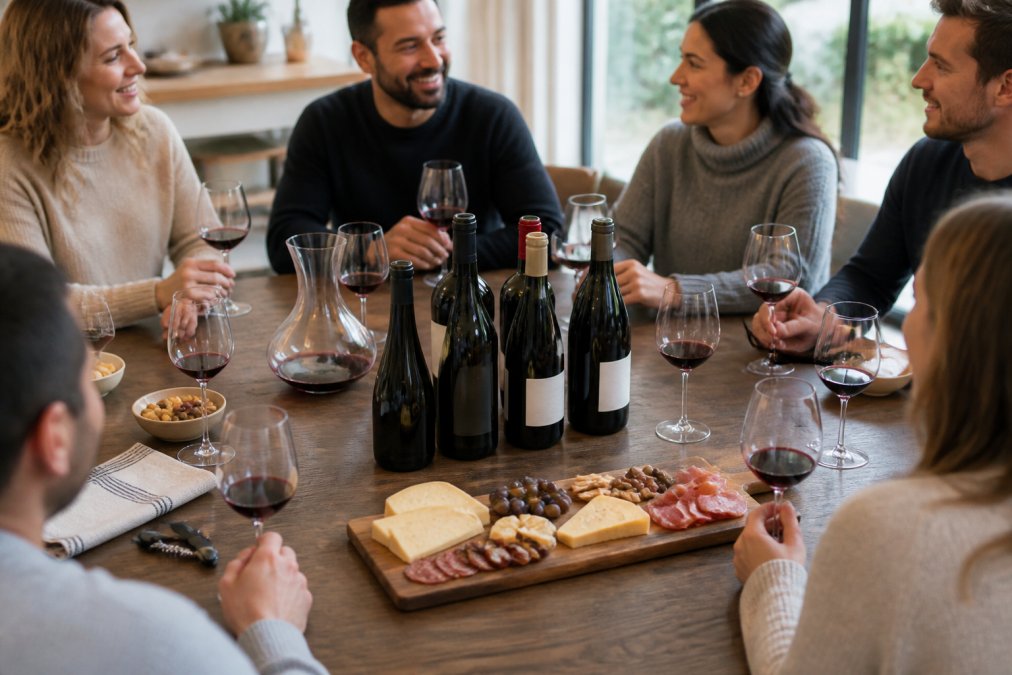
Select three to five wines with a clear theme, same region, different producers; same varietal, different regions; or different varietals side by side.
Serve wines from lightest to fullest body to prevent palate fatigue.
Use Burgundy-style glasses, large enough to swirl, concentrate aromatics, and allow air to reach the wine.
Taste systematically: assess colour and clarity, swirl to release aromatics, smell deeply, sip, and assess flavour, tannin structure, and finish. Discuss what you're experiencing.
Little River Winery's cellar door welcomes tasting groups of up to 8-10 guests, allowing meaningful conversation and personalised guidance.
Keep notes on the wine's name, vintage, price, flavour, and food pairings. Over time, these reveal your preferences.
Cellaring Potential and Long-Term Value in Sub-$50 Red Wines
Understanding a wine's cellaring potential helps you decide whether to drink it now or store it, and which sub-$50 bottles reward patience.
How to Identify Age-Worthy Wines Under $50
Wines with higher acidity and firm tannins age better than soft, fruit-forward wines. This isn't subjective; it's chemistry. Acidity acts as a preservative, and tannins provide structure that evolves over time. A Margaret River Cabernet with crisp acidity (pH below 3.6) and structured tannins will improve for five to ten years. A ripe, voluptuous Shiraz from a warm region might peak at three to five years then gradually flatten as fruit fades and alcohol becomes more prominent.
When evaluating a wine's aging potential, look for these markers:
Tannin quality matters more than quantity. Fine-grained, silky tannins age gracefully. Harsh, coarse tannins either soften marginally or never soften at all. You can assess this by the wine's mouthfeel on your palate, does it feel smooth or astringent? A wine that tastes slightly austere or tight in youth (suggesting firm tannins) often develops beautifully. A wine that tastes harsh and unpleasant rarely improves enough to justify cellaring.
Alcohol between 13.5% and 14.5% is typical for age-worthy reds in this price range.
Realistic Aging Windows by Region and Varietal
Margaret River Cabernet Sauvignon (5-10 years): This is the sweet spot for sub-$50 cellaring. Cool-climate Cabernet develops secondary flavours, leather, tobacco, dried herbs, that emerge as primary fruit fades. A 2019 Margaret River Cabernet might taste tight and austere now but reveal complexity in 2026-2029. These wines are worth buying for the cellar.
Storage Conditions: Non-Negotiable Fundamentals
Storage conditions determine whether a wine ages gracefully or deteriorates prematurely. Wine ages well only in cool (10-15°C), dark, humid environments with minimal vibration.
When Not to Cellar: The Reality of Sub-$50 Wines
Most Australian reds under $50 are designed for drinking within five years of release. This isn't a limitation; it's intentional. Winemakers craft these wines for approachability and pleasure now, not decades of cellaring. Entry-level wines from warm regions, fruit-forward Shiraz, and early-drinking blends fall into this category.
Frequently Asked Questions
What should I look for when choosing a red wine under $50?
Focus on the vintage year, region of origin, and varietal. Check tasting notes for flavour profiles that match your preferences. Look for wines from established regions like Barossa Valley or Margaret River, where terroir produces consistent quality. Examine the alcohol content and tannin structure, higher tannins suit food pairing, while softer tannins work well for casual sipping. Consider critic ratings and awards as quality indicators, but don't rely on them alone.
What are the best food pairings for Australian Cabernet under $50?
Australian Cabernet pairs excellently with grilled red meats, lamb, and rich beef dishes. The wine's acidity and tannin structure cut through fatty proteins beautifully. Try pairing with herb-crusted steaks, slow-cooked stews, or game meats. For lighter fare, Cabernet works with hard cheeses and charcuterie boards. Avoid delicate fish or cream-based sauces, which can overwhelm the wine's structure.
How do I know if a red wine will age well if I'm buying under $50?
Look for wines with higher tannin content and good acidity, these age gracefully over 5-10 years. Single-vineyard and estate-grown wines often have better cellaring potential than blends. Check the vintage; older vintages from reputable producers signal proven ageing ability. Wines from cooler-climate regions like Margaret River tend to develop complexity over time. Store bottles horizontally at consistent temperatures (12-15°C) in darkness to preserve quality.
What's the difference between buying red wine online versus visiting a cellar door?
Online purchasing offers convenience and often competitive pricing, but you miss the tasting experience and personal guidance. Cellar door visits let you taste before buying and speak directly with winemakers about terroir and vintage variation. Many cellar doors offer group tastings (typically accommodating up to 8-10 guests) where you can explore multiple varietals. Online retailers provide detailed tasting notes and reviews to guide selection. For first-time purchases from unfamiliar producers, a cellar door visit builds confidence in your choice.
Choosing quality red wine doesn't require expert knowledge or deep pockets. It requires understanding what you prefer, where good value lives, and how to assess a bottle before committing. Little River Winery's curated selection of premium reds demonstrates that exceptional quality exists at every price point. Explore wines from different regions, taste systematically, and trust your palate. The best wine is always the one you enjoy drinking.