
Table of Contents
- What Is the 5 S's of Wine Tasting
- How to Describe Wine Flavours Like a Taster
- Wine Tasting Etiquette for Beginners
- Setting Up Your At-Home Tasting Flight
- Understanding Wine Characteristics: Sweetness, Acidity, and Tannins
- Developing Your Palate and Avoiding Common Mistakes
- Frequently Asked Questions
Last Updated: September 19, 2026
What Is the 5 S's of Wine Tasting
The 5 S's of wine tasting form a structured approach that transforms casual sipping into purposeful evaluation, and these wine tasting tips for beginners will guide you through each step. These five steps, See, Swirl, Sniff, Sip, and Savour, guide your palate through a complete sensory experience, revealing layers of complexity that most casual drinkers miss entirely.
This methodology isn't new, but it's proven. Whether you're tasting at a cellar door or evaluating bottles at home, following these steps consistently trains your brain to notice what matters: colour, aroma, balance, and finish. The result is genuine understanding rather than guesswork about what you're drinking.
Step 1: See (Visual Inspection)
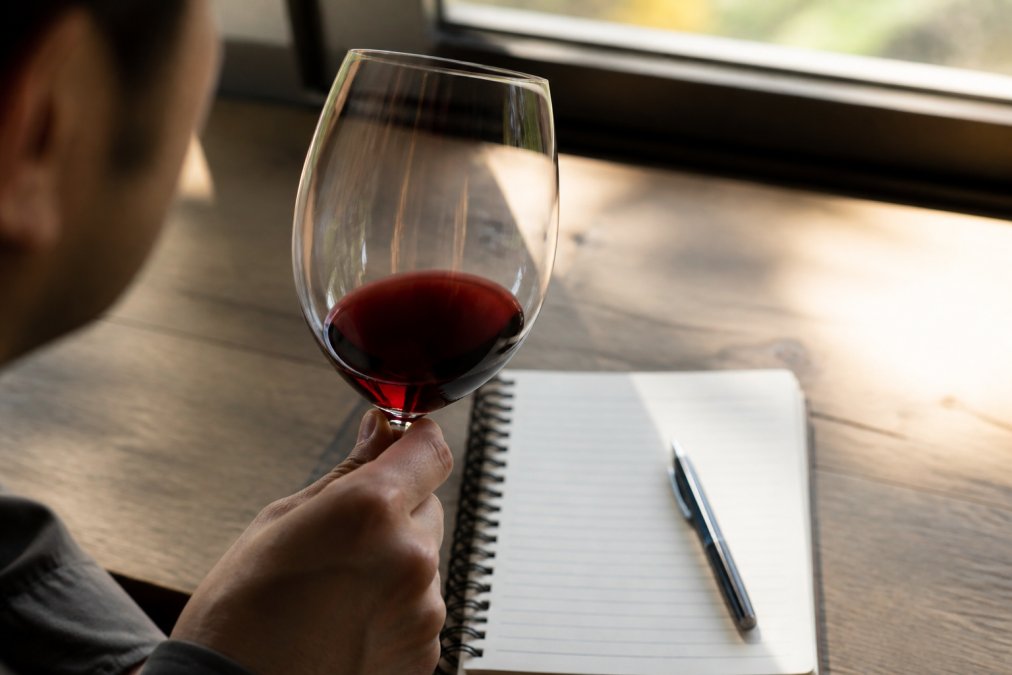
Before the wine touches your lips, observe it carefully. Hold your glass against a white background and examine the colour, clarity, and intensity. A wine's appearance tells you about its age, grape variety, and production method before you taste a single drop.
Look for depth of colour.
Step 2: Swirl (Aeration)
Swirling serves a specific purpose: it exposes the wine to air, releasing volatile compounds that carry aroma. Hold your glass by the stem (not the bowl, warmth from your hand alters the wine's temperature) and make small circular motions. The wine should coat the inside of the glass, creating a thin film.
Step 3: Sniff (Aroma Assessment)
Your sense of smell drives 80 per cent of what you perceive as taste. After swirling, bring the glass to your nose and inhale gently. Don't plunge your nose deep into the glass, a few centimetres away is sufficient.
Step 4: Sip (Taste Evaluation)
Take a small amount of wine into your mouth, roughly a teaspoon. Hold it there for a moment without swallowing. This pause allows your palate to register sweetness, acidity, and tannins. Then, gently draw a small amount of air through the wine (this technique is called aerating in your mouth). The air carries flavour compounds to the back of your throat and engages your olfactory system more fully.
Step 5: Savour (Finish and Aftertaste)
Swallow the wine and notice what lingers. The finish is everything you taste after swallowing. A long finish, flavours that persist for 10 or more seconds, suggests quality and complexity. A short finish often indicates a simpler wine.
How to Describe Wine Flavours Like a Taster
Describing wine accurately requires vocabulary that moves beyond vague terms like "nice" or "fruity." Professional tasters use precise descriptors that communicate exactly what they experience, allowing others to anticipate what they'll taste.
Building Your Tasting Vocabulary
Start with fruit descriptors, the most accessible category. Don't limit yourself to the grape's origin, a Shiraz might taste of blackberry, plum, or cherry depending on ripeness and terroir. White wines offer citrus, stone fruit, and tropical notes. The specific fruit you identify depends on ripeness at harvest and winemaking choices.
Common Wine Descriptors Cheat Sheet
| Descriptor | What It Means | Common in Which Wines |
|---|---|---|
| Dry | Little to no residual sugar | Most reds, many whites |
| Crisp | High acidity, refreshing | Sauvignon Blanc, Riesling |
| Full-bodied | Rich texture, higher alcohol | Shiraz, Cabernet, Chardonnay |
| Tannins | Drying sensation in mouth | Red wines, especially young reds |
| Minerality | Stone, flint, or earth notes | Whites from cooler regions |
| Finish | Flavours that linger after swallowing | All quality wines |
| Complexity | Multiple layers of flavour | Premium wines, aged wines |
| Balance | No single element dominates | Well-made wines across price points |
This table becomes your reference when you're uncertain. Return to it repeatedly until these terms become second nature. Real wine tasting vocabulary isn't pretentious, it's simply precise language that communicates what you actually taste.
Wine Tasting Etiquette for Beginners
Proper etiquette at a cellar door or tasting event isn't about rigid rules, and understanding these wine tasting tips for beginners helps you navigate any tasting environment with confidence. It's about respect for the winemaker, consideration for fellow tasters, and creating an environment where everyone can focus on the wine.
How to Hold a Wine Glass Properly
Hold the glass by the stem, never the bowl. Your hand's warmth raises the wine's temperature, which alters aroma and taste. The stem provides a clear path to the wine without your body heat interfering.
Spitting vs. Swallowing at a Tasting
At professional tastings or when you're sampling multiple wines, spitting is standard practice. It allows you to taste more wines without consuming significant alcohol. A spittoon sits nearby for this purpose, use it without hesitation or self-consciousness. Professional tasters spit constantly.
Setting Up Your At-Home Tasting Flight
A tasting flight, a curated selection of wines tasted in a specific sequence, creates structure for learning. At home, you control the environment, the wines, and the pace, making it an ideal way to develop your palate.
Choosing Your Wines and Order
Select 3 to 5 wines for your first flight. Start with lighter wines and progress to fuller, more complex ones. A logical sequence might be: sparkling wine, light white, fuller white, light red, full red. This progression prevents your palate from becoming overwhelmed.
Preparing Your Tasting Space
Choose a quiet room with natural light and neutral background colours. Harsh artificial light distorts wine colour; poor lighting makes evaluation impossible. A white tablecloth or neutral surface helps you assess colour accurately.
Understanding Wine Characteristics: Sweetness, Acidity, and Tannins
These three elements form the foundation of wine evaluation. Understanding how they interact explains why some wines feel balanced and others feel off.
Developing Your Palate and Avoiding Common Mistakes
Building a refined palate takes time and intentional practice. You're training your brain to recognize patterns, remember flavours, and make connections between what you taste and how it was made.
Common Mistakes to Avoid at a Cellar Door
Don't rush through tastings. Many visitors hurry from wine to wine, sampling without pausing to evaluate. Slow down. Spend at least five minutes with each wine, moving through the five steps deliberately. This pace transforms casual tasting into genuine learning.
Food Pairing Basics for Beginners
Food and wine pairing follows simple logic: match intensity levels and complement or contrast flavours. A delicate white wine pairs with light fish. A full-bodied red suits rich meat dishes. The BLANCS 2019, a blend of Viognier, Marsanne, and Chenin Blanc offering crisp, fruity character, pairs beautifully with seafood, salads, and light poultry.
Frequently Asked Questions
What are the 5 S's for wine tasting?
The 5 S's are See, Swirl, Sniff, Sip, and Savour. See examines the wine's colour and clarity. Swirl aerates the wine to release aromas. Sniff lets you assess the bouquet and aroma notes. Sip allows you to taste the wine's body, acidity, and tannins. Savour focuses on the finish and aftertaste. This systematic approach helps beginners develop their palate and identify key wine characteristics.
How should a beginner approach a wine tasting session?
Start by preparing your space with proper glassware, water for palate cleansing, and a notebook to record your observations. Taste wines in order from lightest to fullest-bodied to avoid overwhelming your palate. Take your time with each wine, following the 5 S's method. At a cellar door like Little River Winery, tasting groups are capped at 8-10 guests to ensure a personal, unhurried experience. Don't rush, allow at least 10-15 minutes per wine.
What is the best way to describe the flavours in wine?
Use concrete descriptors from fruit, spice, earth, and floral categories rather than vague terms. For example, identify specific fruits (stone fruit, citrus, berries), spices (pepper, cinnamon), or floral notes (rose, honeysuckle) rather than just saying 'fruity.' Reference your tasting vocabulary cheat sheet to build confidence. Write down what you notice before consulting others' opinions. Over time, your ability to articulate wine flavours will improve as your palate develops.
Do I need to spit the wine during a tasting?
Spitting is entirely optional and depends on your preference and circumstances. Professional tasters often spit to remain clear-headed when sampling many wines. At a casual cellar door tasting, swallowing is perfectly acceptable. If you're tasting multiple wines and want to remain alert, spitting allows you to assess flavour without consuming alcohol. There's no etiquette rule requiring it, choose what suits your comfort level and the occasion.
How do I properly hold a wine glass?
Hold the glass by the stem or base, never by the bowl. Holding the bowl warms the wine with your hand and can leave fingerprints on the glass, obscuring the wine's colour. The stem grip also gives you a clear view of the wine's visual characteristics. For white wines and sparkling wines, a stem hold keeps the wine cooler. This simple technique is one of the easiest etiquette points to master as a beginner.
What are common mistakes to avoid at a cellar door?
Avoid wearing heavy perfume or cologne, which interferes with smelling the wine's aromas. Don't taste on an empty stomach, eat a light meal beforehand to avoid dizziness. Skip strongly flavoured foods before tasting, as they mask delicate wine notes. Don't feel pressured to finish every pour; you can taste and spit. At Little River Winery, where tasting groups are limited to 8-10 guests, you'll have space to ask questions without feeling rushed. Take notes to remember your impressions.
How can I set up a wine tasting at home for beginners?
Select 3-5 wines that vary in style (e.g., white, rosé, red) to explore different characteristics. Arrange them from lightest to fullest-bodied. Use proper wine glasses, have water and neutral crackers or bread available for palate cleansing, and prepare a notebook for observations. Ensure good lighting to assess colour, and taste in a quiet environment free from strong odours. Invite friends to share the experience and compare notes, this makes learning more enjoyable and helps develop your palate together.